Water treatment is no longer just about ensuring clean drinking water. It has evolved into a highly technical and innovative field addressing everything from industrial wastewater management to residential water purification. With the rise of environmental concerns and increasingly stringent regulatory standards, cutting-edge water treatment solutions are more crucial than ever.
Kel Tren WaterCare specializes in implementing these advanced technologies for both residential and commercial clients. We provide tailored solutions that ensure safe, high-quality water. As you navigate the extensive market of water treatment solutions currently available, we would like to ensure you understand your options. In this article, we will examine some of the most popular water treatment solutions, so you can make informed decisions about your own water supply.
Advanced Filtration Systems
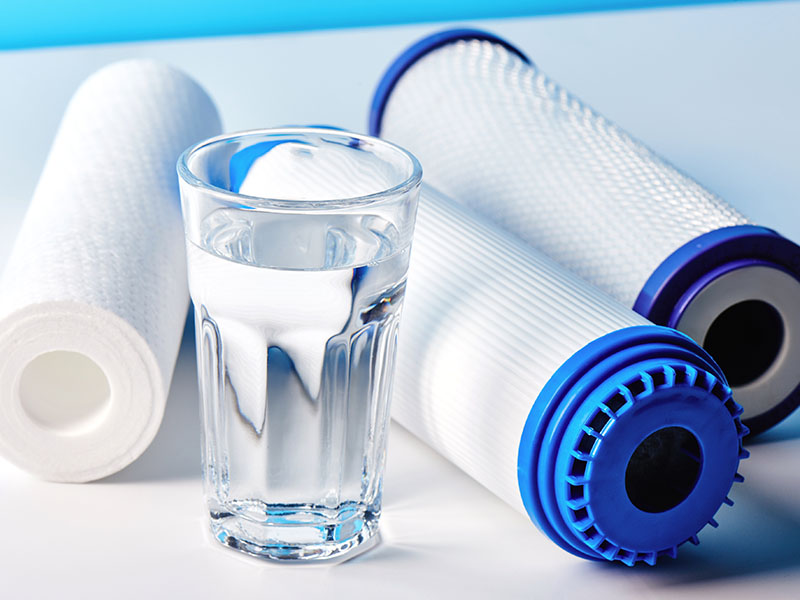
Water filtration systems have evolved far beyond simple carbon filters. Modern-day systems use multiple stages to remove sediments, heavy metals, chlorine, pesticides, and even microscopic contaminants. Understanding how each system works and what contaminants they’re effective against is an important part of selecting an appropriate system.
Whole-Home Carbon Filtration Systems
Carbon filtration has been used for decades to improve water quality, but modern systems are far more advanced than their predecessors. Traditional carbon filters relied on basic activated carbon media that needed frequent replacement and often struggled with high contaminant loads. Today’s systems use enhanced forms of carbon, such as catalytic carbon and block carbon. These are engineered for greater surface area and longer contact time with the water. This makes them significantly more effective at capturing a wide range of contaminants that older filters could not handle reliably.
Newer whole-home carbon filtration systems also offer longer lifespans and improved efficiency compared to older designs. Many are engineered to last several years before requiring media replacement. This reduces maintenance while delivering consistent performance. By installing these systems at the water entry point of your home, all taps, showers, and appliances benefit from high-quality water. This not only improves taste and odor but also protects plumbing and fixtures from chemical buildup—something earlier filtration systems could not achieve as effectively. The result is a more reliable, low-maintenance solution that keeps pace with modern water quality challenges.
Ultrafiltration Units
Ultrafiltration systems take water purification a step further by using a membrane with pores so small that even microscopic contaminants are blocked. These hollow-fiber membranes filter down to 0.01 microns, removing bacteria, viruses, and fine sediments while allowing essential minerals to remain. This makes ultrafiltration an excellent chemical-free solution for households that want extra protection without altering the mineral composition of their water.
Unlike chemical disinfectants, ultrafiltration does not add anything to the water; it simply acts as a physical barrier. This ensures water clarity and safety, especially in areas where sediment or microbial contamination is a concern. Compact and efficient, these systems are often installed at the point of use, such as under a kitchen sink, but can also be scaled to treat larger volumes for whole-home applications.
Reverse Osmosis Systems
Reverse osmosis is considered one of the most comprehensive water purification methods available for residential use. By applying pressure, water is forced through a semi-permeable membrane that removes PFAS, heavy metals, nitrates, and other harmful contaminants. The result is exceptionally pure water that is ideal for drinking and cooking, with taste and clarity that rival bottled water.
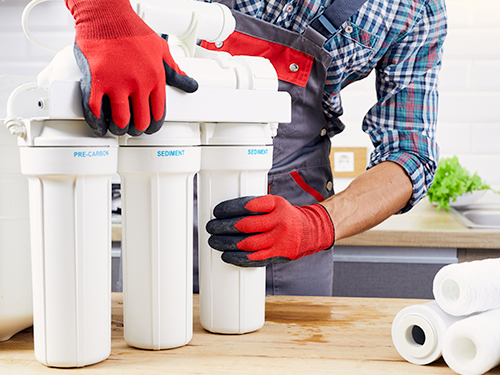
Most reverse osmosis units incorporate additional pre-filters and post-filters to enhance performance. Sediment filters protect the membrane from clogging, while carbon filters remove residual chemicals and improve taste. Purified water is then stored in a small tank for easy access on demand. Though primarily used at the point of use, such as in kitchens, reverse osmosis remains one of the most trusted ways to ensure the highest water quality in your home.
Sediment Pre-Filters
Sediment pre-filters play a crucial role in any well-designed water treatment system. Their job is simple but essential: capturing larger particles such as sand, silt, rust, and debris before water reaches more advanced stages of treatment. By removing these contaminants early, sediment filters extend the life and efficiency of downstream systems like carbon or reverse osmosis units.
These filters are particularly valuable in homes with well water or older plumbing, where particulate matter is more likely to be present. While they do not directly improve taste or odor, they are invaluable for optimizing water filtration in your home.
Combination Systems
For households facing multiple water challenges, combination systems provide a comprehensive solution. These units integrate several filtration technologies into a single setup, offering layered protection against a wide spectrum of contaminants. A common configuration might include a sediment pre-filter, activated carbon, and a reverse osmosis or ultrafiltration membrane. This creates a system capable of addressing everything from visible particles to dissolved chemicals and pathogens.
The advantage of combination systems lies in their convenience and efficiency. Instead of installing separate units for different problems, a single system delivers whole-home or point-of-use treatment in a compact package. Some models also incorporate water softeners, reducing hardness in addition to purification.
Chemical-Free Water Treatment Technologies
Modern systems offer chemical-free options for water disinfection and purification, eliminating harmful microorganisms without relying on chlorine or harsh additives.
Ultraviolet (UV) Purification
Ultraviolet purification uses high-intensity light to neutralize harmful microorganisms in water. As water passes through a chamber containing a UV lamp, bacteria, viruses, and protozoa are exposed to wavelengths that damage their DNA, rendering them unable to reproduce. This process disinfects water without altering its taste, odor, or mineral balance, making it one of the cleanest approaches to ensuring microbiological safety.
UV systems are particularly effective as a final stage of treatment. Here, they provide reliable protection against pathogens that may have slipped through earlier filtration steps. Because no chemicals are added, there are no byproducts to worry about, and maintenance is generally limited to periodic lamp replacement. This simplicity makes UV purification a practical choice if you are looking for consistent protection against microbial contamination.
Ozone Treatment
Ozone treatment harnesses the oxidizing power of ozone gas to disinfect and purify water. When injected into water, ozone reacts with bacteria, viruses, and organic matter, breaking them down at a molecular level. In addition to eliminating microorganisms, ozone is effective at removing unpleasant tastes, odors, and certain chemical pollutants, offering a versatile solution that goes beyond disinfection.
One of the key advantages of ozone treatment is that it leaves no lasting chemical residue. After doing its job, ozone naturally reverts to oxygen. While systems require specialized equipment to generate ozone safely, they are highly effective for both residential and light commercial applications. This makes ozone an appealing option for those seeking a strong, chemical-free alternative to traditional chlorination.
Smart Water Monitoring and IoT Integration
One of the most appealing advances in modern-day water treatment is the incorporation of monitoring technology. This provides you with oversight and control of your water treatment system that was not possible before.
Wi-Fi Enabled Systems
Wi-Fi-enabled water treatment systems give you the ability to oversee and manage water usage remotely. These systems connect to a wireless network. This allows you to check status updates, adjust settings, and receive notifications through a smartphone app or web dashboard. By integrating connectivity into softeners, filters, or purification units, water management becomes more convenient and accessible.
The biggest advantage of Wi-Fi-enabled systems is the control they provide without requiring a hands-on approach. Whether it’s tracking regeneration cycles on a softener or knowing when a filter needs replacement, you have complete visibility without guesswork. This not only improves efficiency but also reduces unnecessary maintenance costs, making Wi-Fi-connected devices a practical choice for modern households and businesses.
Whole-Home Water Monitoring Platforms
Whole-home water monitoring platforms act as a central hub for tracking water activity throughout an entire property. Installed at the main water line, these systems measure flow, detect irregular usage patterns, and even shut off water automatically if needed. With continuous monitoring, they provide valuable insights into daily consumption habits, making it easier to identify inefficiencies or potential problems.
Beyond just preventing emergencies, these platforms serve as a long-term management tool. They generate data that helps you better understand your water use, allowing for smarter decisions about conservation and cost savings. By consolidating oversight into a single system, whole-home platforms transform water management into an active, data-driven process rather than a reactive one.
Smart Leak Detection Devices
Smart leak detection devices provide early warnings of leaks that might otherwise go unnoticed until serious damage occurs. These small sensors are typically placed near vulnerable areas like washing machines and under sinks. When they detect moisture where it shouldn’t be, the device immediately sends an alert to your phone or triggers an audible alarm.
Advanced models can connect to automated shutoff valves, stopping the flow of water before significant damage is done. This type of protection is especially valuable in homes or businesses that may sit unoccupied for long periods, where a leak could cause extensive harm. By adding a layer of preventive security, smart leak detection devices help preserve your property and reduce repair costs.
Inline Water Quality Monitors
Inline water quality monitors measure the condition of water as it flows through plumbing in real time. Unlike traditional water tests that provide only a snapshot, these devices track ongoing changes in multiple parameters. This continuous feedback allows you to confirm that your treatment systems are working correctly and to spot issues before they escalate.
The data provided by inline monitors goes beyond safety—it also supports system optimization. By monitoring fluctuations, you can determine if maintenance is needed or if incoming water quality has changed due to municipal supply issues. These insights make water management more precise, ensuring consistent quality while minimizing waste and unnecessary maintenance.
Energy Efficiency in Water Treatment Systems
Another significant advancement is the focus on energy-efficient water treatment systems. With rising energy costs and environmental concerns, modern treatment solutions now incorporate energy recovery devices, optimized pumping systems, and advanced automation.
For example, energy recovery systems can capture and reuse energy during the desalination process, lowering operational costs. Smart automation allows for on-demand treatment, reducing unnecessary energy consumption while maintaining water quality standards. Combined with predictive analytics, these technologies ensure that systems operate at peak efficiency without overuse.
Energy-efficient systems are especially valuable for those with high water demands. Reducing both energy and water consumption delivers significant cost savings while strengthening sustainability commitments. For homeowners, efficient systems also translate into lower utility bills without sacrificing water quality.
Why Kel Tren WaterCare is Your Trusted Partner
The world of water treatment is advancing rapidly, with innovations hitting the market every year. These advancements make water treatment more precise and accessible than ever before. But, understandably, you may feel overwhelmed while trying to navigate the many available options. Kel Tren WaterCare has spent years matching homeowners and business owners with the best water treatment solution based on their needs.
Our services include water testing to determine your unique water challenges, expert consultations to go over targeted solutions, system installation, and continued maintenance. By providing full-service water treatment, we can help you get the quality water you’re looking for without the hassle of working with multiple companies.
Our commitment to effective water treatment and quality customer support is exactly what has made us one of the top-rated water treatment companies in New Jersey. So if you’re looking for safe, sustainable, and effective water treatment solutions, Kel Tren WaterCare is your trusted partner. Contact us today to discover how we can help you on your journey to reliable, clean water.