When you decide to improve your water quality, you are making a meaningful investment in your well-being and your property. Still, many homeowners move forward without fully understanding what installing a water treatment system actually involves. That uncertainty often leads to confusion, unexpected delays, or unmet expectations.
Kel Tren WaterCare has found that knowing what to expect from start to finish helps homeowners stay informed, prepared, and confident throughout the installation process and beyond. When you know how the right water treatment system is selected, installed, and maintained, you’re better positioned to make decisions that improve your water supply for the long run.
Evaluating Your Water Supply to Identify Real Problems
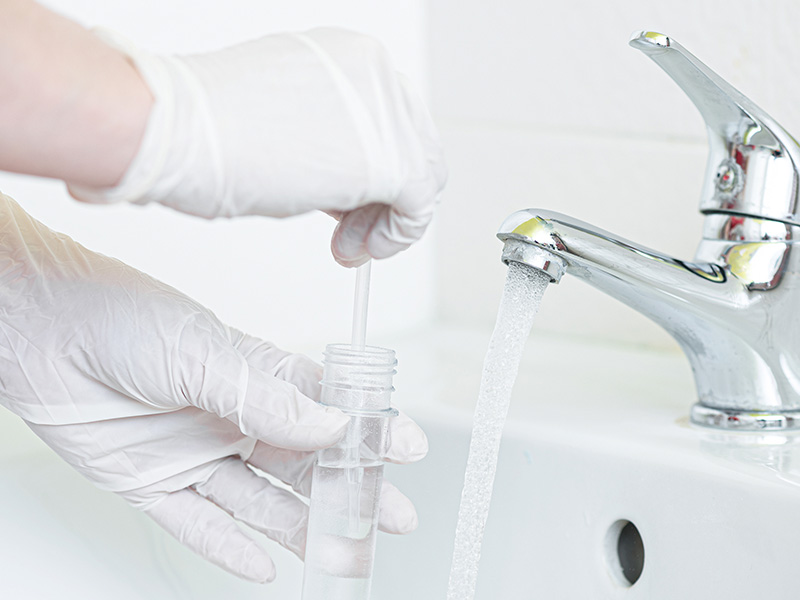
Before any water treatment system is installed, you need a clear understanding of what impurities are present in your water. Water quality can vary significantly in New Jersey, depending on whether your supply comes from a municipal system, a private well, or a combination of sources. Even properties in the same neighborhood may experience different issues due to geology, plumbing materials, or infrastructure age.
A professional water evaluation is the only reliable way to get accurate and actionable results. While you might notice scale buildup, cloudy water, or unpleasant taste, those signs are usually the result of deeper issues such as hardness minerals, iron, sulfur, chlorine, or dissolved solids. Accurate testing identifies these elements and determines their concentration, which is critical for selecting the correct treatment method.
Key Factors Reviewed During a Water Quality Assessment
- Hardness levels and mineral composition
- Presence of chlorine, iron, sulfur, or sediment
- pH balance and total dissolved solids
- Water source type and daily usage patterns
Usage patterns also matter. Household size, peak water demand, and specific applications such as bathing and cooking all influence system recommendations. Starting with a detailed evaluation prevents guesswork and ensures the treatment solution selected is designed to address your home’s real conditions.
Choosing the Right Water Treatment System for Your Needs
Once your water quality issues are clearly determined, the next step is selecting the appropriate water treatment system. This is often the most overwhelming stage, as there are many technologies available, each designed to solve specific problems. The key is matching the system to your water conditions, usage requirements, and long-term goals.
It may be that you only need a targeted solution to address a specific water quality issue. Though in many cases, multiple systems, such as a water softener combined with a filtration system, provide the most well-rounded improvement in water quality.
Common Types of Water Treatment Systems and Their Uses
- Water softeners to reduce hardness minerals and scale
- Whole-house filtration systems for broad contaminant reduction
- Reverse osmosis systems for high-quality drinking water from a specific faucet
- Specialty purification systems for bacteria and pathogens
System capacity is just as important as system type. You need equipment that can handle your daily water usage without sacrificing pressure or performance. Undersized systems struggle to keep up, while oversized systems can lead to unnecessary costs.
Keep in mind you don’t need to, and shouldn’t, make this decision alone. Kel Tren WaterCare regularly assists homeowners in the system selection process. We’re able to interpret your water quality testing results and walk you through your options for treatment.
Preparing Your Property for a Smooth Installation
Once you’ve settled on a water treatment system, proper preparation plays a critical role in ensuring a smooth and efficient installation. Before installation day, you should know where the system will be placed and what access will be required. Most water treatment systems are installed near the main water line, commonly in basements, garages, utility rooms, or mechanical areas.
Clearing space around the installation area allows technicians to work safely and efficiently. Adequate lighting and unobstructed access to plumbing connections also help prevent delays. Some systems may require nearby electrical outlets or drainage access, especially for backwashing or regeneration cycles.
You should also plan for a temporary water shutdown during installation. While interruptions are typically short, knowing in advance allows you to adjust schedules and water usage.
Preparing your property ahead of time ensures installation efforts are focused on precision and system setup rather than resolving avoidable obstacles. This preparation directly contributes to a faster, more predictable process.
What Happens During the Installation Process
1. Shutting Off the Main Water Supply & Preparing the Plumbing
Installation begins by shutting off the main water supply and relieving pressure within the plumbing system to create a safe, controlled environment. During this step, existing pipes and connection points are inspected to confirm compatibility with the new equipment and to identify any adjustments needed before installation proceeds. Proper preparation helps prevent leaks, protects plumbing components, and ensures the system can be integrated without placing unnecessary strain on your water lines.
2. Positioning and Securing System Components
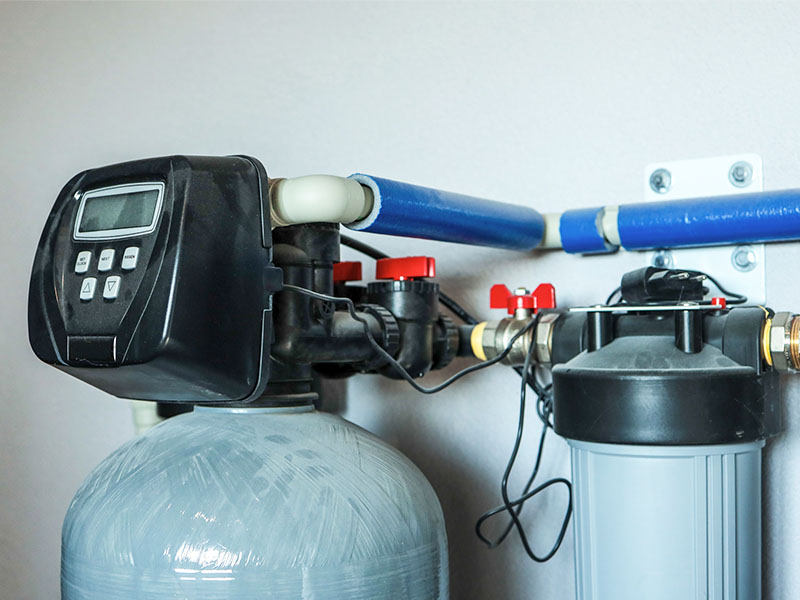
System components are positioned near the main water entry point according to the installation plan, with careful attention given to spacing, alignment, and accessibility. Equipment is securely mounted or stabilized to prevent movement, vibration, or stress on plumbing connections, while also allowing sufficient clearance for future maintenance and servicing. Thoughtful placement supports both system performance and long-term usability.
3. Integrating the System Into the Existing Water Line
The system is then integrated into the existing water line using precise plumbing connections designed to maintain consistent flow and pressure. Bypass valves are installed to allow water to be redirected during maintenance or service needs, ensuring continued access without disrupting the rest of the plumbing system. Each connection is checked to confirm proper alignment, durability, and leak-free operation.
4. Flushing, Testing, and Configuring System Settings
Once connected, the system is powered on and flushed to remove air and debris introduced during installation, ensuring clean and stable operation. Control settings are configured based on your specific water quality results and usage patterns, including regeneration cycles or filtration rates. Final testing verifies water flow, pressure, and treatment effectiveness before the system is placed into full service.
Maintaining Your Water Treatment System for Long-Term Results
Once your water treatment system is up and running, it requires ongoing care to continue delivering reliable results. Maintenance needs vary depending on the system type, but are essential for preventing performance decline and extending equipment lifespan.
Common Routine Maintenance Tasks to Expect
- Replacing filters or treatment media
- Inspecting system components and connections
- Monitoring alerts and water quality changes
When you trust Kel Tren WaterCare with your water treatment system installation, we ensure that we take the time to walk you through daily operation and basic maintenance before we leave. This is very important because ignoring maintenance can result in reduced efficiency, restricted water flow, or the return of water quality issues.
Staying proactive with maintenance also protects your investment. When small issues are addressed early, you avoid costly repairs and unexpected downtime. A well-maintained system continues to protect your plumbing, appliances, and water quality year after year.
Why Choosing the Right Water Treatment Partner Makes a Difference
Installing a water treatment system is about more than addressing immediate water concerns; it’s a long-term investment in your home, your comfort, and your peace of mind. When you understand the process and work with the right professionals, water treatment becomes a proactive upgrade rather than a reactive repair.
Kel Tren WaterCare provides homeowners across New Jersey with reliable water testing, tailored water treatment solutions, professional installation, and long-term support. Our team is committed to helping you achieve dependable water quality through clear communication and proven expertise.
If you are ready to improve your water, contact us today to schedule a professional water evaluation.