
Concerns about drinking water safety have increased in recent years, especially as researchers uncover the widespread presence of PFAS—chemicals often called “forever chemicals” for their persistence in the environment and the human body. These substances don’t easily break down, which means they can linger in water sources for decades.
PFAS, or per- and polyfluoroalkyl substances, have been linked to a range of health concerns, making awareness and testing essential for every homeowner. Whether you rely on municipal water or a private well, understanding the risks of PFAS contamination helps protect your household from long-term exposure.
This guide explains what PFAS are, how they enter tap water, the potential warning signs of contamination, and what testing and treatment options are available to ensure your water stays safe.
What Are PFAS and Why Are They a Concern?
PFAS are a large family of man-made chemicals used in products since the 1940s. They’re prized for their ability to resist heat, oil, stains, and water—qualities that made them popular in everyday items such as nonstick cookware and food packaging. Unfortunately, those same chemical properties also make PFAS highly durable in the environment.
When released into soil or water, PFAS do not break down easily. Instead, they accumulate over time in groundwater and drinking water sources. Because most municipal water treatment systems aren’t designed to remove these compounds, PFAS can remain in tap water even after standard treatment.
Health studies have raised serious concerns about long-term exposure. Research suggests that elevated PFAS levels may be linked to immune system suppression, hormonal imbalances, liver damage, thyroid disorders, and even certain cancers. In response, the Environmental Protection Agency (EPA) has introduced new guidance and proposed limits to help reduce exposure.
Understanding what PFAS are and why they’re dangerous is the first step toward protecting your water supply. Awareness empowers you to take action and explore effective solutions for removing these contaminants.
How PFAS Enter the Water Supply
PFAS contamination typically starts with industrial or manufacturing activities. Factories that produce or use PFAS-containing materials often release waste into nearby water systems. Over time, these chemicals seep into the ground, enter aquifers, and eventually reach drinking water sources.
Landfills are another common source of PFAS pollution. When discarded products containing PFAS—like treated fabrics or packaging—begin to decompose, the chemicals can leach into the soil and groundwater. Wastewater treatment plants can also contribute to contamination because standard filtration processes are not equipped to remove PFAS effectively.
In some regions, the use of firefighting foam known as AFFF (aqueous film-forming foam) has been a major factor. Airports, military bases, and training facilities that use this foam often see significant PFAS buildup in surrounding soil and groundwater.
Private well owners are especially vulnerable since wells draw directly from groundwater sources that may be affected by nearby contamination. Municipal systems also face challenges, as PFAS can pass through treatment facilities undetected.
Recognizing how these chemicals enter the water supply underscores the importance of consistent testing and treatment—especially for homes located near industrial areas or sites with known PFAS use.
Possible Indicators of PFAS Contamination
One of the most concerning aspects of PFAS contamination is that these chemicals are virtually invisible. They don’t change the taste, color, or odor of your water, making it impossible to identify contamination without professional testing. However, there are situational clues and environmental factors that can suggest an increased risk.
If your home is near industrial facilities, airports, or landfills, your water source may be more likely to contain PFAS. Regions with a history of manufacturing, chemical production, or firefighting foam use are also higher risk.
While PFAS exposure itself doesn’t cause immediate symptoms, prolonged exposure has been associated with certain health effects, including higher cholesterol, immune suppression, and reproductive or developmental issues. These conditions develop gradually, which is why proactive water testing is critical.
In some cases, local health departments or municipalities issue advisories if PFAS are detected in nearby water systems. Even if you haven’t received a notice, it’s wise to have your water tested if your area has known contamination or relies on groundwater.
Testing Options for Detecting PFAS
Testing your water is the essential first step in identifying PFAS contamination. Because these compounds exist in extremely low concentrations, precise laboratory methods are required for accurate detection.
Homeowners can purchase sample collection kits that allow them to send water samples to certified laboratories. These labs use advanced analytical techniques capable of detecting PFAS at parts per trillion—levels too low for standard at-home tests to measure.
Local health departments or state environmental agencies may also offer free or discounted testing in areas where contamination has been confirmed. Checking local resources can help you find available programs and determine whether your water source is part of a monitored zone.
For private well owners, regular testing every year or two is recommended, especially if the property is near industrial or agricultural sites. Even if PFAS aren’t detected initially, establishing a testing history helps track changes in water quality over time.
Once testing results are received, consulting a professional water treatment expert is crucial. Specialists can interpret the data, determine whether your PFAS levels exceed advisory limits, and recommend appropriate filtration or treatment solutions for your home.
Effective Treatment Options for PFAS Removal
If testing confirms the presence of PFAS, several water treatment technologies can effectively reduce or eliminate these contaminants. The right system depends on your water chemistry, household needs, and budget.
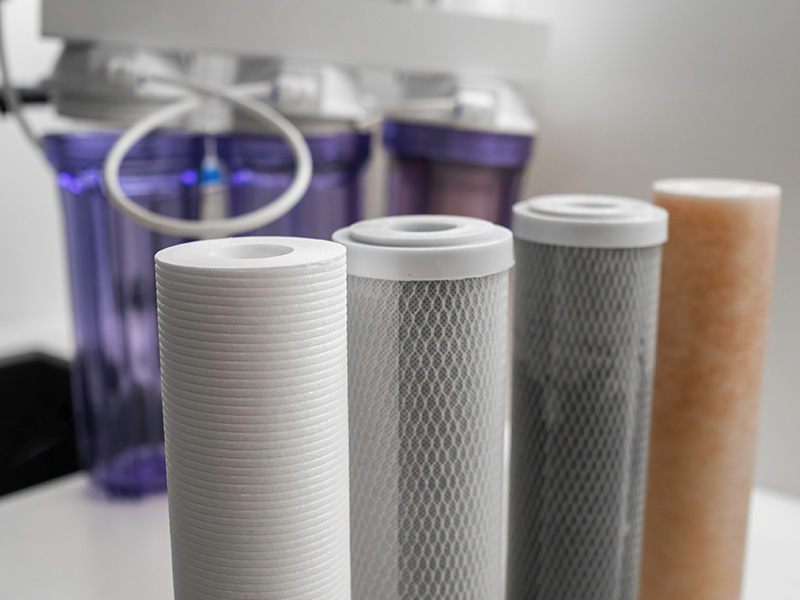
Activated carbon filtration is one of the most widely used filtration systems and can be effective for removing certain types of PFAS. Granular activated carbon (GAC) filters trap PFAS molecules as water passes through, significantly lowering their concentration. Whole-house systems equipped with GAC can treat all water entering your home, providing comprehensive protection. Keep in mind that GAC filters vary in their effectiveness against short-chain PFAS, which are on the rise.
Reverse osmosis (RO) systems are highly effective at removing both short-chain and long-chain PFAS. These units use a semipermeable membrane to separate contaminants from water at the molecular level. Reverse osmosis is particularly effective for drinking and cooking water and can remove a broad spectrum of impurities beyond PFAS.
Ion exchange systems also offer effective PFAS reduction by replacing PFAS ions with harmless alternatives. This technology works well for shorter-chain PFAS compounds that are more difficult to capture using carbon filters alone.
A professional assessment ensures the right combination of filtration methods for maximum efficiency. Maintenance is equally important—filters and membranes need timely replacement to keep systems performing at their best. Partnering with a qualified water treatment provider ensures your solution remains effective over time.
Reducing PFAS Exposure Beyond Your Water Supply
Even with treated water, it’s helpful to minimize PFAS exposure from other sources. These chemicals are present in a surprising number of household and consumer products. Small changes in daily habits can further reduce your risk of exposure.
Avoid cooking with nonstick pans made with PFAS coatings; opt for stainless steel or cast iron instead. Choose PFAS-free fabrics when buying water-resistant clothing, upholstery, or carpeting. Carefully read labels on cleaning products, cosmetics, and personal care items to avoid unnecessary exposure.
Limiting fast food and packaged snacks can also make a difference. PFAS are sometimes used in grease-resistant wrappers and microwave popcorn bags, where they can transfer to food when heated. Selecting fresh or home-prepared meals reduces potential contact.
On a broader level, stay informed about PFAS developments in your community. Many states and municipalities publish data on contamination sites and ongoing remediation efforts. Keeping track of these reports can help you make informed decisions about water testing and treatment schedules.
By combining good habits with an effective water filtration system, you can significantly reduce your family’s overall PFAS exposure and enjoy greater peace of mind.
Partner with Kel Tren WaterCare for Trusted PFAS Solutions
PFAS contamination poses a growing challenge for households across the country. Testing your water is the only way to know for certain whether PFAS are present—and professional filtration is the most effective solution for long-term protection.
Kel Tren WaterCare helps homeowners identify and address PFAS contamination through accurate testing, customized filtration systems, and ongoing support. Our experienced team designs solutions tailored to your household. We use proven technologies such as activated carbon, reverse osmosis, and ion exchange to deliver safer, cleaner water.
Protecting your family from harmful contaminants starts with taking action today. Schedule your PFAS testing and consultation with Kel Tren WaterCare to learn how professional water treatment can restore confidence in your tap water. Clean, healthy water is possible—with expert help you can trust.