When it comes to choosing a water filtration system for your home, you need more than a general solution for it to be effective. What works for one household may not address the specific issues in yours, especially since water quality can vary significantly depending on your source.
To get meaningful results, your solution needs to be tailored to what’s actually in your water. That means understanding how contaminants, minerals, or chemicals are impacting your daily use—whether it’s the water you drink, the performance of your appliances, or your overall comfort at home. Without that level of clarity, it’s easy to invest in a system that only solves part of the problem.
That’s where professional guidance becomes essential. At Kel Tren WaterCare, we start by identifying your exact water conditions, then recommend systems designed to address those specific concerns. This approach helps you avoid unnecessary upgrades while ensuring no critical issues are left untreated.
In this blog, you’ll get a clear breakdown of the different types of water filtration systems available, so you can better understand your options and choose a solution that truly fits your needs.
Activated Carbon Filters for Better Taste and Everyday Use
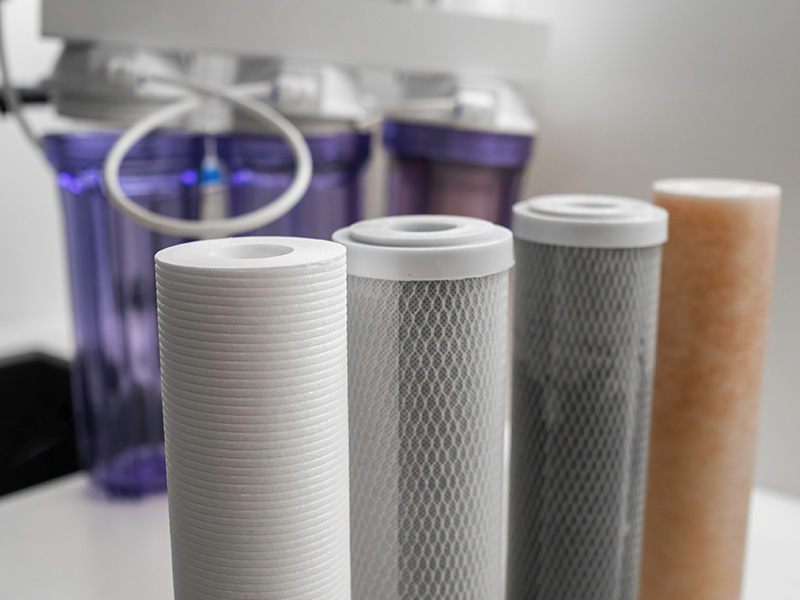
If your primary concern is improving how your water tastes or smells, activated carbon filters are one of the most practical and widely used solutions. These systems are designed to reduce chlorine, volatile organic compounds (VOCs), and other chemicals that affect water quality at a basic level.
You’ll often find carbon filters in pitchers, faucet-mounted units, and under-sink systems. Their popularity comes from their simplicity and affordability. For many households, they provide an immediate and noticeable improvement in water quality without requiring a major investment.
What Activated Carbon Filters Do Well
- Reduce chlorine and chemical odors
- Improve overall taste
- Provide quick, accessible filtration
- Require minimal installation effort
While they’re effective for surface-level improvements, carbon filters have limitations. They don’t remove dissolved solids, heavy metals, or bacteria. That means they’re not suitable as a standalone solution if your water has more complex contamination issues.
Maintenance is another factor you shouldn’t overlook. Filters need to be replaced regularly to maintain performance. Overused filters can become less effective and may even allow contaminants to pass through.
For everyday use, activated carbon filters serve as a strong starting point. They’re especially useful when your main goal is improving taste and odor without overcomplicating your setup.
Reverse Osmosis Systems for Deep Water Purification
When you’re looking for a more advanced level of filtration, reverse osmosis systems offer a comprehensive solution. These systems are designed to remove a wide range of contaminants, including dissolved solids, heavy metals, and certain chemicals that basic filters can’t handle.
Installed typically under your sink, reverse osmosis systems filter water through multiple stages before delivering it through a dedicated faucet. The result is highly purified water that’s ideal for drinking and cooking.
How Reverse Osmosis Filtration Works
The system uses a multi-stage process to ensure thorough purification. Water first passes through pre-filters that remove sediment and chlorine. It then moves through a semi-permeable membrane, which blocks dissolved contaminants. Finally, post-filters refine the taste and clarity before the water reaches your tap.
Key Advantages and Considerations
- Removes a broad range of contaminants
- Significantly reduces total dissolved solids (TDS)
- Produces clean, crisp-tasting water
- Requires regular maintenance and filter changes
You’ll likely notice a difference in both taste and clarity immediately. However, it’s important to understand that these systems can waste some water during the filtration process and require a more involved installation.
Some units include remineralization filters to restore beneficial minerals, improving both taste and balance. If your goal is high-quality drinking water with minimal impurities, reverse osmosis is one of the most effective solutions available.
Whole-House Filtration Systems for Total Water Coverage
If your concerns extend beyond drinking water, a whole-house filtration system provides a comprehensive solution. Installed at the main water entry point, these systems treat all water before it flows through your home.
This means every faucet, shower, and appliance benefits from filtered water. You’re not just improving what you drink—you’re enhancing your entire water experience.
What Whole-House Systems Typically Address
- Sediment and particulate matter
- Chlorine and chemical contaminants
- General water clarity and consistency
By handling filtration at a central point, these systems eliminate the need for multiple filters throughout your home. This simplifies maintenance and ensures consistent performance across all water outlets.
You’ll also notice long-term benefits. Appliances last longer, plumbing stays cleaner, and surfaces experience less buildup. Even your skin and hair may feel better after switching to filtered water.
While the upfront investment is higher, the value comes from full-home protection and efficiency. Professional installation is typically required to ensure the system is properly configured for your water conditions.
For households looking for a complete solution, whole-house filtration systems offer unmatched convenience and coverage.
UV Water Purification for Added Health Protection
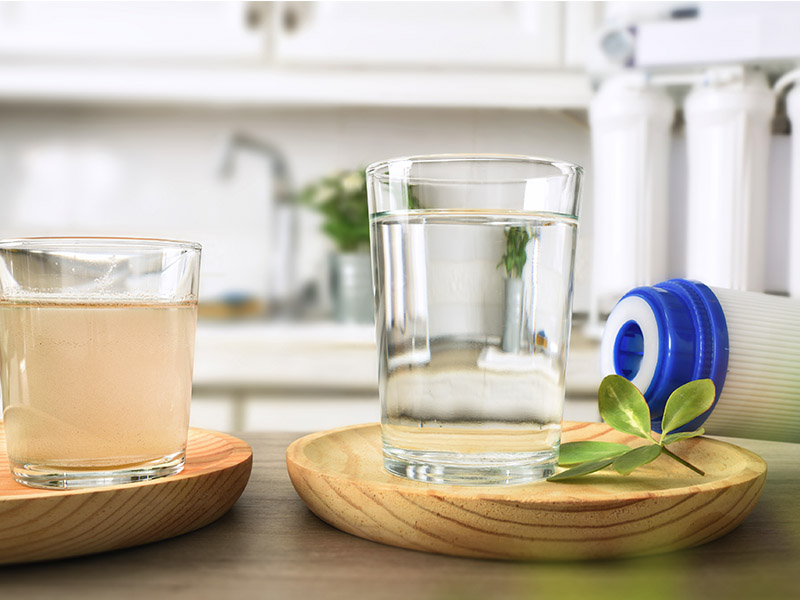
Even when water appears clean, it can still contain harmful microorganisms. UV water purification systems address this invisible risk by using ultraviolet light to neutralize bacteria, viruses, and other pathogens.
This type of system is especially important if you rely on well water or have concerns about microbial contamination. It adds a layer of protection that traditional filtration methods don’t provide.
Why UV Systems Are Effective
- Neutralize bacteria and viruses instantly
- Operate without chemicals
- Maintain water’s natural taste and composition
- Require minimal ongoing maintenance
UV purification works by disrupting the DNA of microorganisms, preventing them from reproducing. The process is fast and happens as water flows through the system.
However, UV systems don’t remove sediment or chemical contaminants. For optimal performance, they should be paired with pre-filtration to ensure water clarity.
Maintenance is straightforward, usually involving an annual lamp replacement. When combined with other filtration systems, UV purification strengthens your overall water treatment strategy.
If your priority is protecting your household from biological contaminants, this system plays a critical role in ensuring safe water.
Water Softeners and Their Role in Water Treatment
Hard water is one of the most common water quality issues, and it can have a noticeable impact on your home. While water softeners aren’t filtration systems in the traditional sense, they are essential for improving water performance and protecting your plumbing.
These systems remove calcium and magnesium through ion exchange, replacing them with sodium or potassium. This process prevents scale buildup and improves water usability throughout your home.
Common Signs of Hard Water
- White spots on dishes and fixtures
- Soap that doesn’t lather properly
- Buildup on faucets and showerheads
- Dry skin and dull hair
Softened water improves efficiency across your household. Appliances run better, cleaning becomes easier, and surfaces stay cleaner for longer periods.
However, it’s important to understand that water softeners don’t remove contaminants like chlorine or bacteria. They work best when combined with other filtration systems to create a complete solution.
Regular maintenance, including monitoring salt levels, ensures consistent performance. If hard water is affecting your home, a water softener can significantly improve both comfort and efficiency.
How to Choose the Best Water Filtration System for Your Home
Choosing the right water filtration system comes down to understanding your specific water conditions and aligning them with the right solution. Without accurate information, it’s easy to make a decision that doesn’t fully address your needs.
The most important step is starting with a professional water test. This gives you a clear picture of what’s in your water and allows you to choose a system that targets those exact issues.
A Practical Approach to Decision-Making
- Identify the main contaminants in your water
- Determine whether you need point-of-use or whole-house filtration
- Consider long-term maintenance and costs
- Evaluate how the system fits your daily usage
You should also think about your priorities. If your focus is on drinking water, a reverse osmosis system may be enough. If you want full-home protection, a whole-house system is likely the better choice.
Working with experienced professionals simplifies the process. Instead of navigating countless options on your own, you get clear recommendations based on real data.
Making an informed decision ensures your system performs effectively and delivers long-term value.
Get Expert Water Filtration Solutions That Deliver Real Results
Choosing a water filtration system is ultimately about results you can trust. You want water that’s clean, consistent, and tailored to your needs—not a temporary fix or a one-size-fits-all approach.
We focus on delivering customized water treatment solutions that address your specific water conditions. From detailed testing to system selection and installation, every step is designed to ensure long-term performance and reliability.
You deserve a solution that works the first time and continues to perform without constant adjustments or uncertainty. That’s exactly what a professionally designed system provides.
If you’re ready to improve your water quality, now is the time to take action. Contact Kel Tren WaterCare today to schedule your water evaluation and discover the filtration system that’s right for your home.