You rely on water for nearly every aspect of life in your home—from drinking and cooking to bathing, laundry, and protecting your plumbing system. Yet water quality often goes unnoticed until problems surface. Hard water, chemical disinfectants, sediment, and naturally occurring contaminants can quietly affect how your water tastes, smells, and performs, while also contributing to higher energy costs, appliance inefficiency, and plumbing wear over time.
These issues naturally lead to questions about water softening and filtration. You may be exploring whether water softening, water filtration, or a combined system is the most effective way to improve your home’s water quality and performance. This guide from Kel Tren WaterCare answers the most frequently asked questions about water softeners and water filtration systems using clear, practical explanations.
What Is Hard Water and How Does It Affect Your Home?
Hard water contains elevated levels of dissolved minerals, primarily calcium and magnesium. These minerals enter water supplies naturally as groundwater passes through mineral-rich rock formations. Although hard water is generally safe to drink, it creates a wide range of household problems that worsen over time if left untreated.
You may recognize hard water through several common signs, including:
- White or chalky scale buildup on faucets and showerheads
- Cloudy or spot-covered glassware and dishes
- Soap that doesn’t lather or rinse clean
- Dry skin and hair
- Stiff or faded laundry
- Reduced water pressure caused by internal pipe buildup
Beyond visible symptoms, hard water scale accumulates inside pipes and appliances. Water heaters, dishwashers, and washing machines are especially vulnerable. Mineral buildup forces these appliances to work harder, increasing energy consumption and shortening their lifespan. Heating elements can become insulated by scale, leading to higher operating costs and inconsistent performance.
Hard water also affects cleaning efficiency. You may use more soap, detergent, and cleaning products while achieving poorer results. Over time, these frustrations and hidden costs often lead homeowners to explore water softening solutions as a proactive way to protect plumbing systems and restore efficiency.
How Do Water Softeners Work?
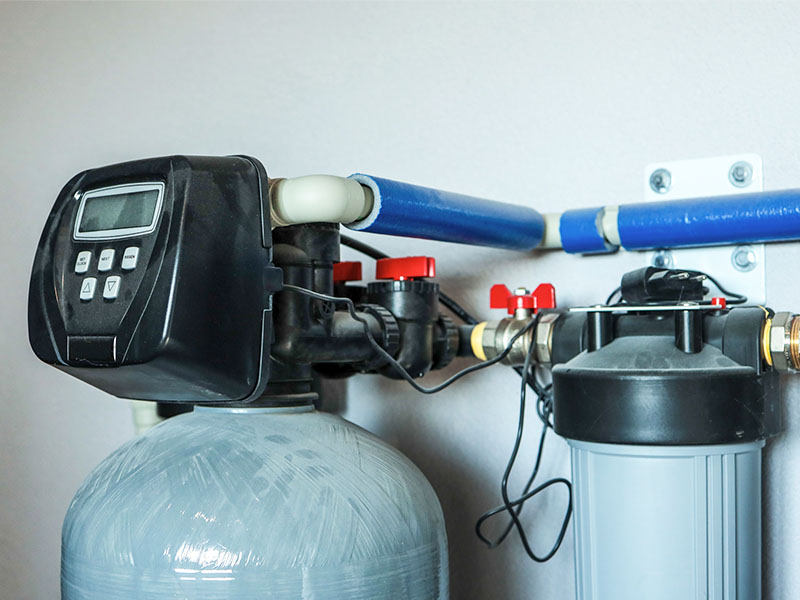
Water softeners are designed specifically to remove the minerals responsible for hard water problems. Most residential systems rely on a proven method called ion exchange. During this process, calcium and magnesium ions are removed from the water and replaced with sodium or potassium ions, which don’t cause scale buildup.
As water enters the softener, it flows through a resin tank filled with resin beads. These beads attract and hold hardness minerals. Once the resin becomes saturated, the system initiates a regeneration cycle. A brine solution flushes the trapped minerals from the resin bed and restores its softening capacity.
Modern water softeners are highly efficient and often feature demand-initiated regeneration. This means the system regenerates based on actual water usage rather than a preset schedule, helping conserve water and salt while maintaining consistent results.
A properly functioning water softener helps:
- Prevent scale buildup in pipes and appliances
- Extend the lifespan of water-using equipment
- Improve soap and detergent effectiveness
- Reduce energy consumption
- Lower long-term maintenance and repair costs
Understanding how softeners work explains why they are one of the most effective solutions for protecting both comfort and infrastructure in homes with hard water.
What Are the Benefits of Water Filtration Systems?
While water softeners target mineral hardness, water filtration systems are designed to reduce contaminants that affect water quality, safety, and usability. Depending on the system, filtration can remove chlorine, sediment, volatile organic compounds (VOCs), pesticides, and certain heavy metals commonly found in municipal and well water supplies.
Water filtration systems help deliver:
- Better-tasting and odor-free drinking water
- Reduced chlorine and chemical disinfectants
- Removal of sediment and particulate matter
- Protection against select contaminants
- Greater confidence in household water quality
In addition to improving drinking water, filtration helps protect plumbing fixtures and appliances from sediment-related wear and staining. For homes using private wells, filtration is especially important for managing naturally occurring contaminants such as iron, manganese, and bacteria. Overall, water filtration supports cleaner water throughout your home, enhancing daily activities while providing reassurance about the water you use every day.
What Types of Water Filtration Systems Are Available?
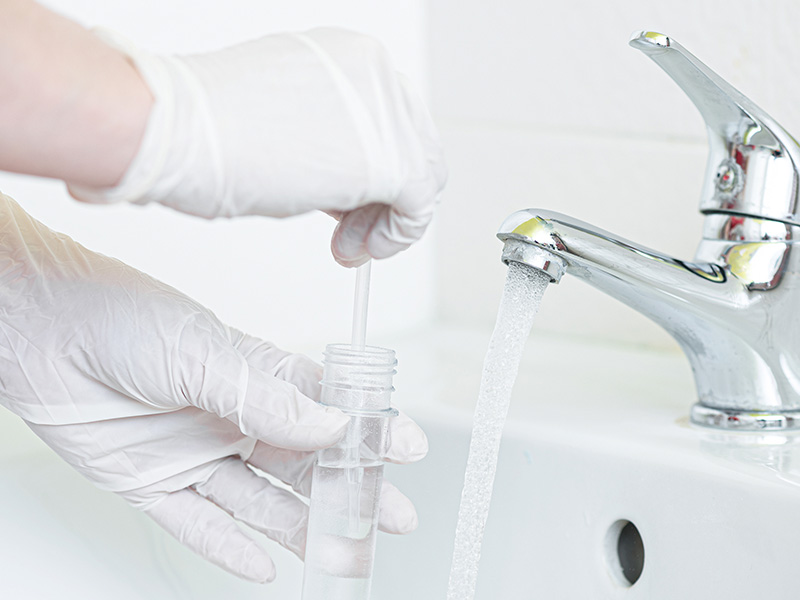
Water filtration systems come in several configurations, each designed to address specific water quality concerns. Determining which option is best for your home begins with water testing, which identifies contaminants, water source characteristics, and treatment priorities. From there, filtration systems can be selected to target the issues most affecting your household.
Whole-house filtration systems
These systems treat water at the point where it enters your home, delivering filtered water to every tap, shower, and appliance. Depending on the design, whole-house filtration systems may use sediment filtration, activated carbon, or specialty media to reduce chlorine, particulates, and certain contaminants. They are ideal for improving overall water quality throughout the home.
Under-sink or point-of-use filters
Point-of-use systems filter water at a specific location, most commonly the kitchen sink. These systems are often used to improve drinking and cooking water without treating the entire household supply. They are a practical option when taste, odor, or drinking water quality is the primary concern.
Reverse osmosis systems
Reverse osmosis systems use a semi-permeable membrane to remove a wide range of dissolved contaminants, including salts, metals, and certain chemicals. Typically installed under the sink, these systems are highly effective for producing purified drinking water and are often paired with additional filtration stages.
Activated carbon filtration
Activated carbon filters are widely used to reduce chlorine, organic compounds, and odors that affect taste. They can be installed as whole-house systems or point-of-use filters and are especially effective for improving water aesthetics rather than mineral content.
Ultraviolet (UV) purification systems
UV systems use ultraviolet light to neutralize bacteria, viruses, and other microorganisms without adding chemicals. These systems are commonly used with well water and are typically installed alongside other filtration methods rather than as a standalone solution.
Choosing the right filtration system depends on your water source, water testing results, household size, and specific concerns. A properly selected system ensures effective treatment without unnecessary complexity or overfiltration.
Do You Need Both Water Softening and Filtration?
Many homeowners ask whether they need a water softener, a filtration system, or both. The answer depends on the specific problems present in your water. Softening and filtration address different issues, and in many homes, they work best together.
If scale buildup, appliance damage, or soap inefficiency are your primary concerns, a water softener provides the most direct solution. If taste, odor, chlorine, or contaminants are the issue, filtration is essential. In homes with both hard water and quality concerns, combining systems delivers comprehensive treatment.
A combined approach allows you to:
- Protect plumbing and appliances from mineral damage
- Improve drinking water taste and clarity
- Reduce chemical exposure
- Ensure consistent water quality throughout the home
When properly designed, integrated systems operate seamlessly without over-treating water.
How Do You Maintain Water Softening and Filtration Systems?
Proper maintenance is essential for keeping water treatment systems operating efficiently. While water softeners and filtration systems perform different functions, both require routine care to protect components, maintain performance, and prevent unexpected issues. Understanding the basic maintenance needs of each system helps ensure reliable water treatment.
Water Softener Maintenance
Water softeners require regular monitoring to ensure they continue removing hardness minerals. Because these systems rely on a regeneration process to function properly, routine oversight helps prevent performance issues that can lead to scale buildup, reduced water pressure, and unnecessary wear on plumbing and appliances.
Key water softener maintenance tasks include:
- Checking and replenishing salt levels as needed
- Monitoring for salt bridging or salt mushing in the brine tank
- Verifying system settings and regeneration cycles
- Periodically inspecting resin performance and system efficiency
Maintaining adequate salt levels in the brine tank is the top priority, as salt supports the regeneration process. The frequency of salt replenishment depends on water usage, system capacity, and water hardness levels.
Water Filtration System Maintenance
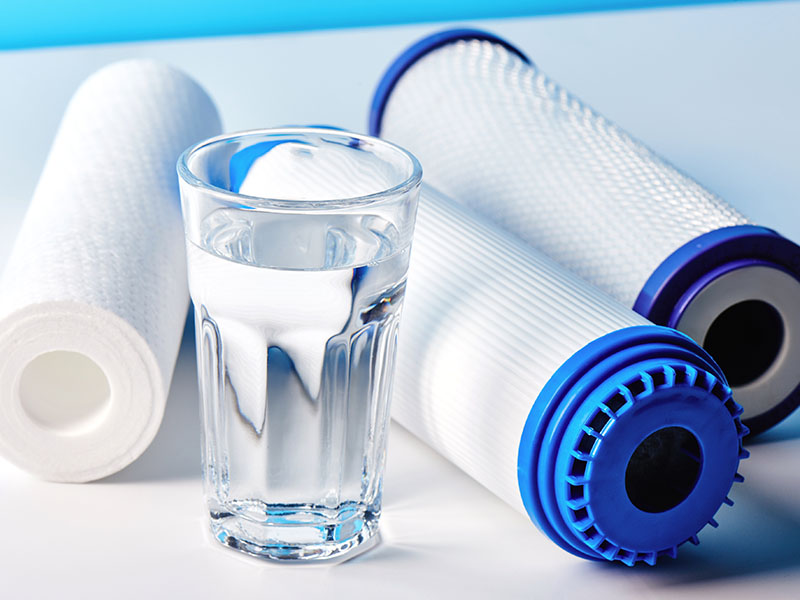
Water filtration systems rely on timely filter replacement to remain effective. Sediment and carbon filters typically require replacement at regular intervals based on water quality and household demand. Reverse osmosis systems require additional maintenance, including membrane inspection and replacement, to maintain proper contaminant reduction.
Common water filtration maintenance considerations include:
- Replacing filters according to manufacturer recommendations
- Monitoring water pressure, taste, and clarity for changes
- Inspecting system components for wear or clogging
- Servicing reverse osmosis membranes as required
Staying on top of filtration maintenance ensures reliable water quality and prevents reduced performance over time.
Consistent maintenance across both systems helps preserve efficiency, extend equipment lifespan, and ensure dependable water quality. Many homeowners choose professional servicing to optimize system performance and identify potential issues early, supporting long-term reliability and peace of mind.
Get Help Choosing the Right Water Treatment Solution for Your Home
Understanding water softening and filtration gives you the clarity needed to navigate the available options when you’re dealing with water quality issues. With the right information, you’re better equipped to ask the right questions, avoid one-size-fits-all solutions, and make decisions that support your home’s efficiency, comfort, and long-term protection.
Translating that knowledge into the right water treatment solution often requires professional insight. Kel Tren WaterCare helps homeowners move from uncertainty to confidence by evaluating water conditions, clearly explaining treatment options, and designing systems that align with real household needs. This approach focuses on accuracy and long-term performance rather than temporary fixes.
If you’re ready to take a proactive approach to your water quality, help is available. Contact Kel Tren WaterCare to schedule a professional water evaluation and receive guidance you can trust when choosing a water treatment solution.