
If you’re worried about PFAS in your drinking water, you’re not alone. When PFAS contamination reaches your tap, standard filters may not provide adequate protection. Choosing the right PFAS removal system for your home requires more than purchasing a popular product online. You need accurate testing, proven technology, and proper system sizing.
Kel Tren WaterCare has been working directly with homeowners for decades, testing water, interpreting lab results, and designing customized water treatment systems that effectively reduce PFAS and other contaminants. In this guide, we’ll walk you through everything you need to know about PFAS contamination and how to compare technologies and select the right long-term solution for your household.
What PFAS Are and Why They Matter in Residential Water
Before selecting a PFAS filtration system, you need to understand how these chemicals enter your water supply.
Per- and polyfluoroalkyl substances are a large group of human-made compounds used in nonstick cookware, waterproof fabrics, food packaging, and firefighting foam. Because they don’t naturally break down, they accumulate in soil and water over time. If you rely on municipal water, contamination may originate from industrial discharge or affected groundwater sources. If you use a private well, nearby airports, military facilities, landfills, or manufacturing plants may increase risk.
You can’t see, taste, or smell PFAS in your water. Professional water testing is the only reliable way to detect them.
The issue with these chemicals is that long-term exposure has been associated with potential health concerns, including immune system effects, increased cholesterol, and hormonal disruption. Regulatory agencies are tightening allowable limits, but standards vary by state and water system.
Start with Professional Water Testing and Analysis
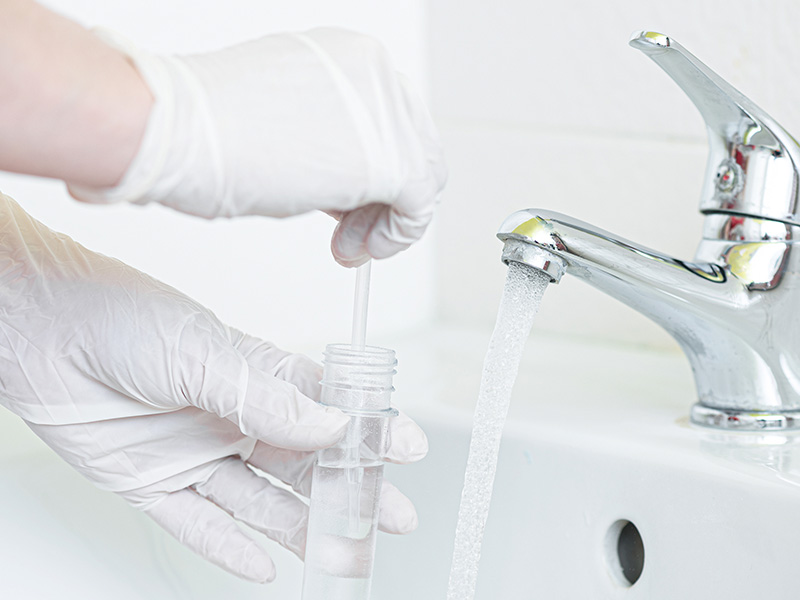
The most important step in choosing a PFAS removal system is professional water testing. Without accurate data, you can’t confidently select the correct technology.
A comprehensive water analysis identifies which PFAS compounds are present and their concentration levels. This matters because treatment performance varies between long-chain and short-chain PFAS. Testing also reveals additional water quality factors that may affect filtration performance, such as hardness, pH, iron, or competing contaminants.
When you invest in professional testing with Kel Tren WaterCare, your water test will include:
- Total PFAS concentration levels
- Identification of specific PFAS compounds
- Detection of additional contaminants
- Measurement of pH, hardness, and iron
- Clear treatment recommendations
Skipping this step often leads to undersized systems, ineffective filters, or unnecessary expenses. A properly interpreted lab report ensures your system is designed for your specific water chemistry.
Once testing confirms contamination levels, you can move forward with a targeted, data-driven solution. That foundation improves system performance, longevity, and overall return on investment.
Compare Proven PFAS Removal Technologies
Not all water filters remove PFAS effectively. You need a system built specifically for these contaminants. The three most reliable residential treatment options are granular activated carbon, reverse osmosis, and ion exchange systems.
Granular Activated Carbon (GAC)
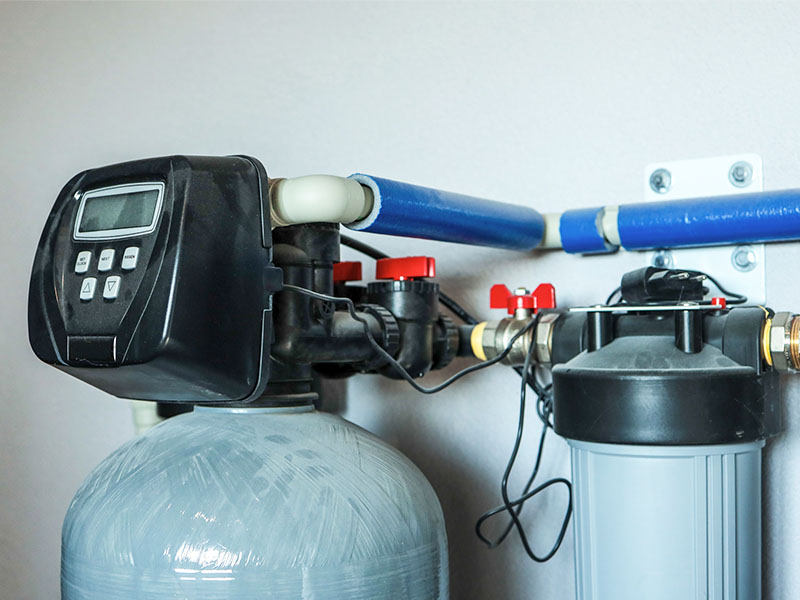
Granular activated carbon systems use porous carbon media to adsorb contaminants. They are commonly installed as whole-house systems and are particularly effective at removing many long-chain PFAS compounds.
Performance depends on system sizing, water flow rate, and contact time. Proper design is essential. When correctly installed, GAC systems provide comprehensive protection throughout your home. It’s important to note, however, that GAC systems are less effective against short-chain PFAS.
Reverse Osmosis (RO)
Reverse osmosis systems use a semi-permeable membrane to remove a wide range of contaminants, including PFAS. RO systems are highly effective for both long- and short-chain PFAS and are typically installed as point-of-use systems under your kitchen sink.
If your primary concern is drinking and cooking water, RO offers excellent purification. Another excellent option is to combine RO systems at your taps with a whole-home water filtration system, a solution that we’ll explore in more depth.
Ion Exchange Systems
Ion exchange systems use specialized resin beads to capture PFAS molecules. These systems can be highly efficient and are often used in larger applications, though residential models exist.
Each technology has advantages. The right choice for your home depends on contamination level, water demand, space availability, and long-term maintenance expectations. Kel Tren WaterCare is ready to help you assess these factors and match you with the best water treatment option.
Why Combining Whole-Home Filtration and Reverse Osmosis Provides Stronger PFAS Protection
If you want the most comprehensive protection against PFAS, combining a whole-home filtration system with a point-of-use reverse osmosis (RO) unit is often the most effective strategy. Instead of choosing between broad coverage and precision filtration, you create a layered defense that strengthens performance across your entire home.
Whole-Home Filtration Reduces Overall Contaminant Load
A properly sized whole-house system, such as granular activated carbon, treats water as it enters your home. This delivers wide-reaching protection by:
- Reducing PFAS levels throughout the entire house
- Protecting plumbing fixtures and appliances
- Minimizing exposure during bathing and laundry
- Lowering the contaminant burden before water reaches your RO system
Because the whole-home system reduces overall PFAS concentration first, your point-of-use reverse osmosis unit doesn’t have to work as hard. This reduced strain can help extend membrane and filter lifespan, maintain stronger flow rates, and improve long-term cost efficiency.
Reverse Osmosis Targets Short-Chain PFAS
While whole-home carbon systems are highly effective, especially for many long-chain PFAS compounds, they may not capture short-chain PFAS as efficiently.
Short-chain PFAS are becoming more common as manufacturers transition away from older long-chain formulations. These smaller compounds are more mobile in groundwater and can be harder to remove using standard carbon filtration alone.
Reverse osmosis systems provide an added layer of precision. RO membranes are highly effective at removing both long- and short-chain PFAS, making them especially valuable for drinking and cooking water.
A Layered Approach Delivers Stronger, Future-Ready Protection
When you combine whole-home filtration with reverse osmosis, you benefit from:
- Broad PFAS reduction throughout your home
- Highly purified water at your kitchen tap
- Longer-lasting point-of-use filters
- Added protection against emerging short-chain PFAS compounds
This dual-system strategy strengthens overall performance while preparing your home for evolving PFAS contamination challenges.
Evaluate Certifications, Maintenance, and Lifetime Costs
Choosing a PFAS removal system involves more than comparing treatment technologies. You also need to evaluate verified performance, ongoing service requirements, and the true long-term cost of ownership. Looking beyond the initial purchase price helps you avoid unexpected expenses and performance issues down the road.
Before making a final decision, confirm that the system offers:
- Third-party certification (such as NSF testing)
- Documented PFAS reduction performance data
- Clear expectations for filter or media lifespan
- Estimated annual maintenance costs
- Access to professional installation and service
Third-party certification provides reassurance that the system performs as advertised under standardized testing conditions. Without independent verification, performance claims may not reflect real-world results.
Just as important, pay close attention to maintenance requirements. Carbon media and ion exchange resins eventually become saturated, and reverse osmosis membranes require periodic replacement. When maintenance is delayed, filtration efficiency declines—sometimes gradually and without obvious warning. Understanding service intervals upfront helps you maintain consistent protection.
Beyond maintenance, evaluate how the system will integrate with your home’s plumbing. Water pressure, flow rate, and pre-treatment needs can all affect performance. Improper installation or undersized equipment can strain plumbing components and reduce overall efficiency.
Finally, focus on the total cost of ownership rather than upfront pricing alone. A lower-cost system that requires frequent filter replacements may become more expensive over time. In contrast, a properly sized, professionally installed solution often delivers better performance, longer service life, and greater long-term value.
A Simple 4-Step Decision Framework
If the options feel overwhelming, you can simplify the process by following a structured evaluation. However, each step is most effective when guided by experienced water treatment professionals who understand the technical nuances of PFAS removal.
- Test your water. Obtain certified laboratory results identifying PFAS concentration levels and specific compounds present.
- Define your protection goals. Determine whether you need highly purified drinking water, whole-home filtration, or a layered approach.
- Compare certified technologies. Evaluate granular activated carbon (GAC), reverse osmosis (RO), and ion exchange systems based on verified performance data.
- Calculate long-term costs. Factor in installation, maintenance, and media replacement—not just upfront pricing.
When approached methodically, this framework transforms a complex decision into a manageable one. Instead of reacting to alarming headlines, you move forward with a clear, evidence-based strategy.
Still, while this process provides structure, accurate interpretation and system design require technical expertise. That’s where professional guidance becomes essential.
Work with Experienced Water Treatment Professionals
Professional assistance is the cornerstone of making an informed decision about PFAS removal. While the four-step framework provides structure, applying it correctly requires technical expertise, accurate interpretation of lab results, and precise system design. That’s where partnering with Kel Tren WaterCare makes the difference.
Our team guides you through every stage of the process, starting with certified laboratory testing and a comprehensive analysis of your water chemistry. We also focus on proper sizing and seamless integration with your home’s plumbing.
After installation, we continue to provide maintenance and periodic retesting to confirm ongoing protection. When you work with us, you gain more than a filtration system; you gain a trusted partner committed to protecting your home’s water quality for the long term.
Choose Kel Tren WaterCare for Reliable PFAS Removal Solutions
Concerns about PFAS in drinking water aren’t going away. As awareness grows and standards continue to evolve, homeowners are realizing that water quality is not something to leave to chance. Taking action now allows you to move from uncertainty to confidence.
Kel Tren WaterCare is here to help you choose the right water filtration system for your home. We take the time to understand your specific water conditions, household needs, and long-term goals before recommending a solution. Our goal is to provide you with improved water quality and a system you can rely on for consistent, dependable performance.
If you’re ready to take control of your home’s water supply, contact our team today to schedule professional PFAS testing and a personalized water treatment consultation.