
Your water treatment equipment protects your health, plumbing, appliances, and overall water quality every single day. Whether you rely on a water softener, reverse osmosis system, carbon filtration unit, UV disinfection system, or a comprehensive commercial water treatment solution, proper maintenance directly impacts performance and longevity. When maintenance is inconsistent, efficiency drops, operating costs rise, and expensive repairs often follow.
At Kel Tren WaterCare, we help you extend equipment life through preventative maintenance programs, system evaluations, repairs, and performance optimization. While professional service is essential, your ongoing attention to maintenance plays a major role in preserving long-term reliability.
This guide explains how to maintain your water treatment equipment for maximum lifespan. By implementing these strategies, you can help reduce breakdowns and ensure your system continues delivering dependable results for years to come.
Understand Your Water Treatment System Components
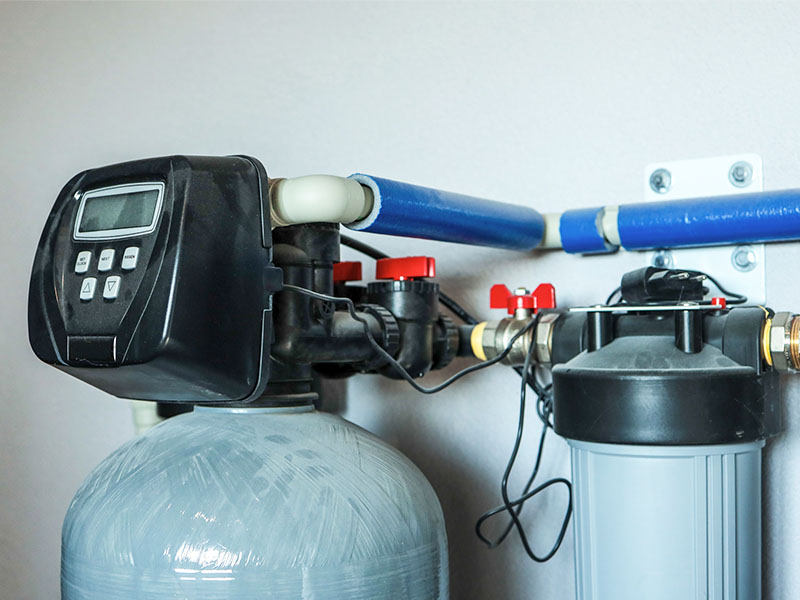
To maintain your water treatment equipment effectively, you first need to understand how it works. Every system contains multiple components, each designed to address specific water quality concerns.
Your setup may include:
- Sediment filters
- Carbon filters
- Reverse osmosis membranes
- Resin tanks
- Brine tanks
- UV lamps
- Storage tanks
- Control valves
- Pumps
Each component has a defined lifespan and specific maintenance requirements. Filters clog over time. Membranes accumulate scale and biofilm. Resin beds lose exchange capacity. Mechanical valves experience wear due to pressure changes and mineral accumulation.
When you understand how these parts function together, you can anticipate maintenance needs instead of reacting to failures. Review manufacturer specifications, identify replacement intervals, and maintain documentation for your specific system model.
If you are unsure about system configuration or maintenance requirements, a professional assessment can clarify component condition and help you establish realistic service intervals. The more you understand your system, the better positioned you are to protect its longevity.
Create and Follow a Preventative Maintenance Schedule
A structured maintenance schedule is one of the most effective ways to extend the life of your water treatment equipment. Preventative maintenance reduces strain on components and prevents minor issues from escalating into system-wide failures.
Start by organizing tasks into monthly, quarterly, and annual checkpoints. Monthly visual inspections allow you to identify leaks, unusual noises, pressure fluctuations, or visible wear. You should also monitor system performance and note any changes in taste, odor, or water clarity.
Core Monthly Maintenance Checks
- Inspect for visible leaks around tanks and fittings
- Monitor water pressure and flow rate
- Check salt levels in water softeners
- Look for error codes on digital control panels
- Observe changes in treated water quality
Quarterly maintenance should include cleaning pre-filters, testing water hardness or TDS levels, and confirming regeneration cycles are functioning properly. Annual servicing should involve deeper cleaning, calibration, and component inspections completed by water treatment experts like Kel Tren WaterCare.
Maintaining a service log is equally important. Record dates of filter replacements, inspections, repairs, and water test results. Accurate documentation supports warranty compliance and helps you identify patterns before major problems develop.
Replace Filters and Consumables on Time
Filter replacement is one of the most critical aspects of water treatment maintenance. Delaying replacement not only reduces water quality but also places unnecessary stress on other system components.
Sediment filters that become clogged restrict water flow and increase pressure on pumps and membranes. Carbon filters that exceed capacity allow chlorine and contaminants to pass through untreated. Reverse osmosis membranes gradually lose rejection efficiency due to scale buildup and fouling.
Although manufacturers provide general replacement timelines, your specific water conditions may require adjustments. High sediment loads, heavy chlorine levels, or increased water usage can shorten filter life significantly.
Warning Signs It’s Time to Replace Filters
- Reduced water pressure
- Unpleasant taste or odor
- Cloudy or discolored water
- Rising total dissolved solids (TDS) readings
- Increased system run time
- Frequent regeneration cycles
When filters are overloaded, downstream components compensate, accelerating wear and increasing energy usage. Replacing consumables promptly prevents this type of cascading damage.
Monitor Water Quality and System Performance
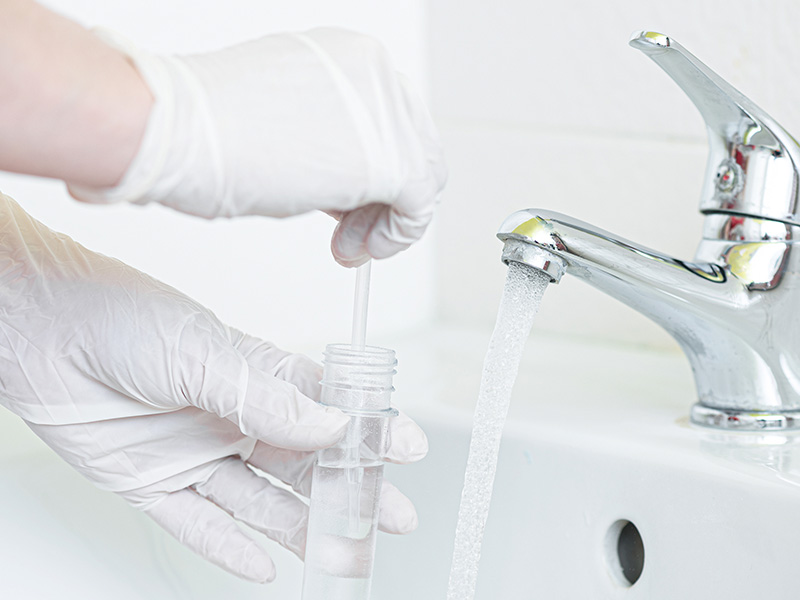
Monitoring your water quality is one of the most effective ways to protect your water treatment equipment. While basic at-home observations can alert you to visible changes, professional water testing provides the detailed analysis needed to accurately assess system performance and long-term reliability.
When you work with a qualified water treatment company for routine testing, you gain precise measurements of hardness levels, chlorine content, pH balance, and other contaminants specific to your water source.
Professional testing also evaluates overall system output and performance benchmarks. Technicians assess flow rates, pressure stability, regeneration efficiency, and contaminant reduction percentages.
By incorporating scheduled professional water testing into your maintenance plan, you move from reactive repairs to proactive system management. This approach protects your equipment, ensures regulatory compliance when applicable, and maintains consistent, high-quality treated water over the long term.
Prevent Scale, Corrosion, and Environmental Damage
Environmental stress is one of the most overlooked causes of premature water treatment system failure. Even when filters are replaced on time and maintenance schedules are followed, external conditions can gradually reduce efficiency and shorten equipment lifespan. Protecting your system from scale buildup, corrosion, and temperature extremes is essential if you want reliable, long-term performance.
Several environmental factors directly impact equipment durability:
Environmental Factors That Shorten Equipment Life
- Scale accumulation from untreated hardness
- Corrosion caused by imbalanced pH levels
- Freezing temperatures leading to cracked housings or burst lines
- Excessive heat degrading membranes and plastic components
- Poor ventilation increasing moisture exposure and internal condensation
Hard water scale is particularly damaging because it builds slowly inside valves, membranes, and heating elements. Over time, this mineral accumulation restricts flow, increases internal pressure, and forces mechanical components to work harder than intended. Maintaining proper regeneration cycles and ensuring adequate pre-treatment significantly reduces this risk.
Temperature control is equally important. Systems installed in unheated spaces are vulnerable to freezing, which can crack housings and damage internal plumbing. Excessive heat, on the other hand, can warp plastic components and compromise membrane integrity. Placing equipment in insulated or climate-controlled areas creates stable operating conditions that preserve system integrity.
Regularly inspecting fittings, seals, and mounting hardware further protects against moisture intrusion and vibration-related stress. By proactively managing environmental conditions, you minimize unnecessary strain on your equipment and substantially extend its operational lifespan.
Schedule Professional Inspections and Expert Servicing
While your routine maintenance plays an important role, it cannot replace the depth of a professional inspection. Internal components naturally wear over time, and many issues develop beyond what you can see during basic checks. Professional servicing provides a comprehensive evaluation of system health and ensures your water treatment equipment continues operating efficiently.
Our team at Kel Tren WaterCare provides comprehensive maintenance and repair services for both residential and commercial water treatment systems. We evaluate overall performance, replace worn components, recalibrate controls, and address developing issues before they escalate into major failures.
By combining your preventative efforts with scheduled professional servicing, you create a balanced maintenance strategy that improves reliability, protects your investment, and extends the lifespan of your water treatment equipment.
Ensure Long-Term Performance with Trusted Water Treatment Support
Extending the life of your water treatment equipment comes down to consistency and proactive care. When you understand how your system operates, follow a structured maintenance schedule, replace filters on time, invest in professional water testing, and protect equipment from environmental stress, you greatly reduce the risk of premature failure.
Kel Tren WaterCare is dedicated to helping you protect your investment in clean, reliable water through our comprehensive water treatment services. If you are ready to improve system efficiency and extend the lifespan of your water treatment equipment, contact our team today!