
As concern over PFAS in local water supplies continues to grow, it’s natural that your first thought would be “How do I keep my family safe from PFAS?” It’s a fair question. And the good news is there are actionable steps you can take as soon as this week to help minimize your family’s exposure.
At Kel Tren WaterCare, we help homeowners throughout New Jersey understand their local water quality and identify solutions that meaningfully reduce PFAS. This guide explains what PFAS are, how they enter your home, and what steps you can take to protect your loved ones. With the right information and a proactive approach, you can improve your water quality and gain long-term peace of mind.
What Are PFAS and Why Are They a Health Concern?
PFAS, or per- and polyfluoroalkyl substances, are a large group of synthetic chemicals developed for their resistance to heat, oil, grease, and water. These properties made PFAS valuable for industrial applications and consumer products such as nonstick cookware, waterproof clothing, stain-resistant fabrics, and food packaging. Unfortunately, the same chemical structure that makes PFAS useful also makes them a concern for the human body.
Why PFAS Are Called “Forever Chemicals”
PFAS do not degrade easily in natural environments. Once released into soil or water, they can persist for decades, migrating through groundwater and surface water systems. When PFAS enter the human body, they accumulate rather than being quickly eliminated, leading to long-term exposure even if contact is reduced later. This persistent is exactly why PFAS have been deemed “forever chemicals.”
Potential Health Implications of Long-Term Exposure
Ongoing research has linked certain PFAS compounds to potential health effects, including immune system suppression, hormone disruption, elevated cholesterol levels, and developmental concerns in children. While not all PFAS have the same toxicity, the cumulative nature of exposure has raised concern among health professionals. For families, this makes prevention and reduction an important part of maintaining a healthy home environment.
Understanding the persistence and potential risks associated with PFAS helps explain why addressing them proactively—especially through water treatment—is a responsible and practical step.
Common Sources of PFAS Exposure Inside Your Home
PFAS exposure within the home typically comes from multiple sources rather than a single product or habit. Being aware of these sources allows you to make informed decisions that reduce overall exposure.
PFAS in Food Packaging and Cookware
Many grease-resistant food wrappers, fast-food containers, and microwave popcorn bags are treated with PFAS to prevent oil absorption. These chemicals can migrate into food, especially when heated. Older nonstick cookware can also release PFAS when exposed to high temperatures or when the coating becomes damaged.
Household Furnishings and Indoor Dust
Carpets, rugs, and upholstered furniture labeled as stain-resistant or water-resistant may contain PFAS. Over time, these materials shed PFAS-containing dust that settles on floors and surfaces throughout your home.
Why Children Face Higher Exposure Risks
Children are more susceptible to PFAS exposure because of frequent hand-to-mouth behavior and increased contact with floors and dust. Reducing indoor dust and choosing PFAS-free household products can help lower exposure, particularly in homes with young children.
While it may not be realistic to eliminate every PFAS source immediately, awareness helps you prioritize changes that have the greatest impact.
How PFAS Contaminate Drinking Water Supplies
Drinking water is one of the most significant and consistent sources of PFAS exposure for households. These chemicals enter water systems through industrial discharge, landfill runoff, wastewater treatment facilities, and the historical use of firefighting foams.
PFAS Movement Through Groundwater and Surface Water
Once PFAS reach the environment, they move easily through soil and water without breaking down. This allows contamination to spread far from its original source, sometimes affecting communities that are unaware of nearby contributing factors.
Municipal Water Systems and PFAS
Many municipal treatment plants were not designed to remove PFAS specifically. While some utilities are upgrading systems or blending water sources, trace levels may still reach household taps depending on local infrastructure and treatment capabilities.
Private Wells and Increased Uncertainty
Homes relying on private wells face additional uncertainty. Well water is not regulated or routinely tested, making it the homeowner’s responsibility to identify contamination. Without testing, PFAS exposure from well water can go unnoticed for years.
Signs Your Household May Be at Risk
PFAS contamination doesn’t change the taste, smell, or appearance of water, making it impossible to detect without testing. However, certain conditions can increase the likelihood of exposure.
Living Near High-Risk Locations
Homes located near industrial sites, airports, military bases, or landfills may have a higher risk of PFAS contamination due to historical chemical use or disposal practices.
Older Infrastructure and Local Water Sources
Aging pipes, outdated treatment facilities, and reliance on groundwater can all influence PFAS presence. Local water quality reports may offer general insight but often do not reflect conditions at individual homes.
Why Water Testing Is the Only Reliable Indicator
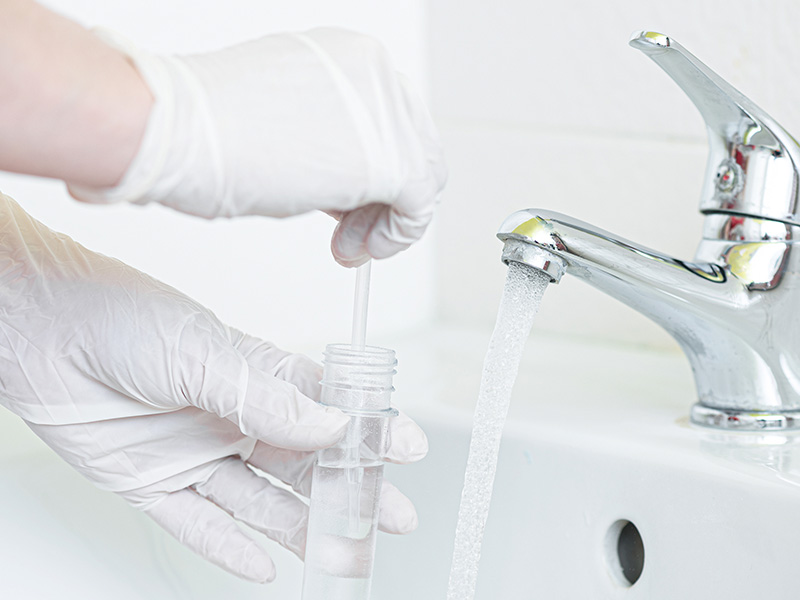
Because PFAS are invisible, professional water testing is the only way to confirm their presence and concentration. Testing provides a baseline that allows you to make informed decisions about treatment and prevention.
Recognizing risk factors and pursuing testing moves you from uncertainty to control over your home’s water quality.
Practical Steps You Can Take to Reduce PFAS Exposure
Reducing PFAS exposure doesn’t require extreme lifestyle changes. Instead, consistent, informed actions can significantly lower overall risk.
You can take practical steps such as:
- Replacing older nonstick cookware with stainless steel or cast iron
- Limiting use of grease-resistant food packaging
- Choosing PFAS-free carpets, rugs, and furniture when possible
- Wet-dusting surfaces and vacuuming with a HEPA filter
- Encouraging frequent handwashing, especially before meals
The most impactful action is improving the quality of the water you drink and cook with. Use treated water for beverages, food preparation, and infant formula. Bottled water is not a reliable long-term solution, as it may not be tested for PFAS and creates unnecessary cost and waste.
When combined with lifestyle adjustments, effective water treatment provides consistent and meaningful protection.
Understanding Water Treatment Options for PFAS Removal
Not all water treatment systems are effective against PFAS. Choosing the right solution requires understanding how different technologies work.
Activated Carbon Filtration
Activated carbon filters can reduce many PFAS compounds when properly designed and maintained. Performance depends on filter quality, water usage, and timely replacement. However, it’s important to keep in mind that activated carbon filters are not as effective against short-chain PFAS which are becoming more common than long-chain PFAS.
Reverse Osmosis Systems
Reverse osmosis systems offer high removal rates for both short- and long-chain PFAS. These filtration systems are commonly used for point-of-use applications, such as under-sink drinking water systems. They provide excellent protection for water used for consumption and are considered the gold standard of residential filtration.
Ion Exchange Systems
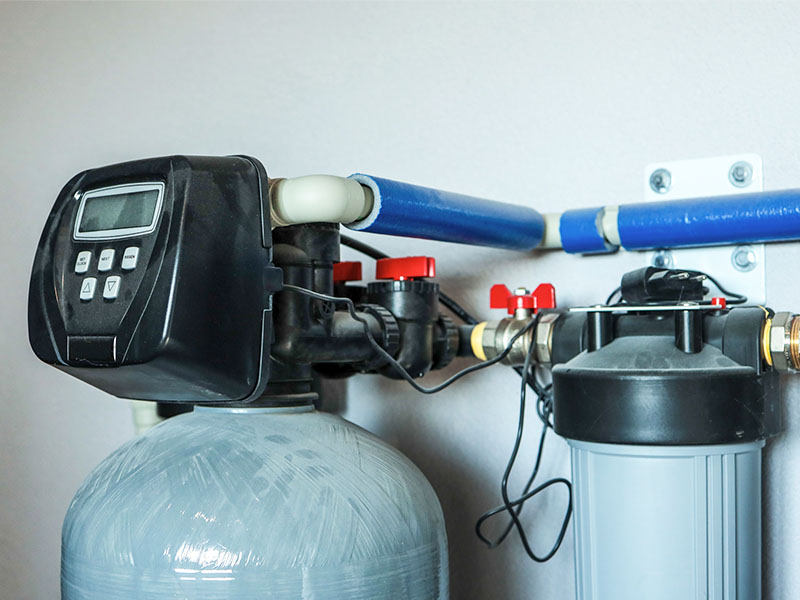
Ion exchange systems are commonly used in larger or whole-home applications where PFAS levels are elevated or consistent treatment is required. They use specialized resins that selectively bind PFAS compounds, making them effective for both long- and short-chain PFAS when properly designed. Ongoing monitoring is essential to ensure the resin continues to perform as intended and prevents PFAS breakthrough.
Why Professional Water Testing and Treatment Matters
Professional water testing provides detailed insight into your water quality, including which PFAS compounds are present and at what concentrations. This level of specificity is essential, as different PFAS respond differently to treatment methods. Accurate testing eliminates guesswork and ensures that any filtration system installed is designed to address your actual water conditions rather than assumptions or generalized standards.
Benefits of Working With a Local Water Treatment Expert
A professional, locally informed assessment takes into account several critical factors, including:
- Local water sources and regional contamination patterns
- Integration with other water quality concerns such as hardness, sediment, or iron
- Long-term system performance, monitoring, and maintenance requirements
Working with a local water treatment expert helps ensure consistent, long-term protection. Proper system design and ongoing oversight reduce the risk of underperforming equipment, premature filter exhaustion, or costly system upgrades later on.
Protect Your Family from PFAS with Kel Tren’s Expert Assistance
Protecting your family from PFAS exposure is about taking control of the water your household relies on every day. Awareness is only the first step; lasting protection comes from informed action and reliable solutions. By addressing potential contamination at the source, you create a healthier, more secure environment for your family now and in the future.
Kel Tren WaterCare specializes in professional water testing and customized water treatment solutions designed for local water conditions. You benefit from personalized evaluations, carefully selected treatment options, and systems built for long-term performance and reliability.
If you have concerns about PFAS in your drinking water, this is the right time to take the next step. Contact Kel Tren WaterCare today to schedule a professional water test and move forward with confidence toward cleaner, safer water for your family.